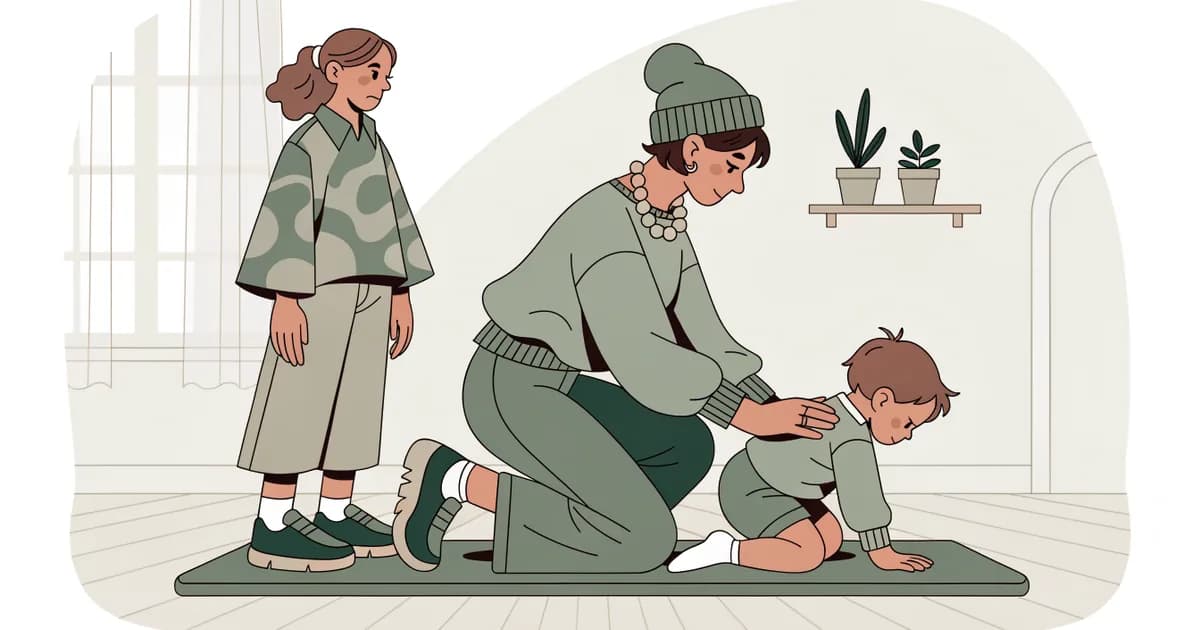
What is physiotherapy
Physiotherapy is treatment through movement and manual techniques. Its goal is to restore function, eliminate pain, and improve how your body works — without medication or invasive procedures. At NidoMed, physiotherapy is based on hands-on work (manual therapy, myofascial techniques, neural mobilisation) and targeted exercises. We do not use electrotherapy (electrical stimulation, lasers) — we focus on functional techniques with proven effectiveness.
Our physiotherapists specialise in several areas:
- Manual therapy — joint manipulations, mobilisations, and soft tissue techniques. Effective for spinal pain, joint pain, and restricted mobility.
- Stecco fascial manipulation — working on specific fascial points responsible for transmitting tension and pain. Particularly effective for conditions resistant to standard treatment.
- Paediatric physiotherapy (NDT-Bobath) — neurodevelopmental therapy for infants and children with muscle tone disorders, delayed motor development, and asymmetry.
- Orofacial physiotherapy — treatment of temporomandibular joint dysfunction, bruxism, and tension in the muscles of mastication and neck.
- Urogynaecological physiotherapy — assessment and treatment of pelvic floor dysfunction in women (urinary incontinence, pelvic organ prolapse, pelvic pain, diastasis recti).
When to consider physiotherapy
- You have spinal, shoulder, knee, or other joint pain that is not resolving on its own.
- You have had surgery (e.g. ACL reconstruction, joint replacement, arthroscopy) and need rehabilitation.
- You have restricted range of motion after an injury or prolonged immobilisation.
- Your child is not reaching motor development milestones at the expected age.
- You experience pelvic pain, urinary incontinence, or discomfort after childbirth.
- You clench your teeth, feel jaw pain, or have difficulty opening your mouth.
- You are an athlete looking to reduce injury risk or return to activity after a break.
What to expect
Physiotherapy is a process. The first visit is longer — it includes a detailed history, examination, and initial treatment. Follow-up visits focus on continuing treatment and exercises. Between sessions, the patient performs prescribed home exercises — this is an essential part of therapy. The physiotherapist continuously monitors progress and adjusts the plan.