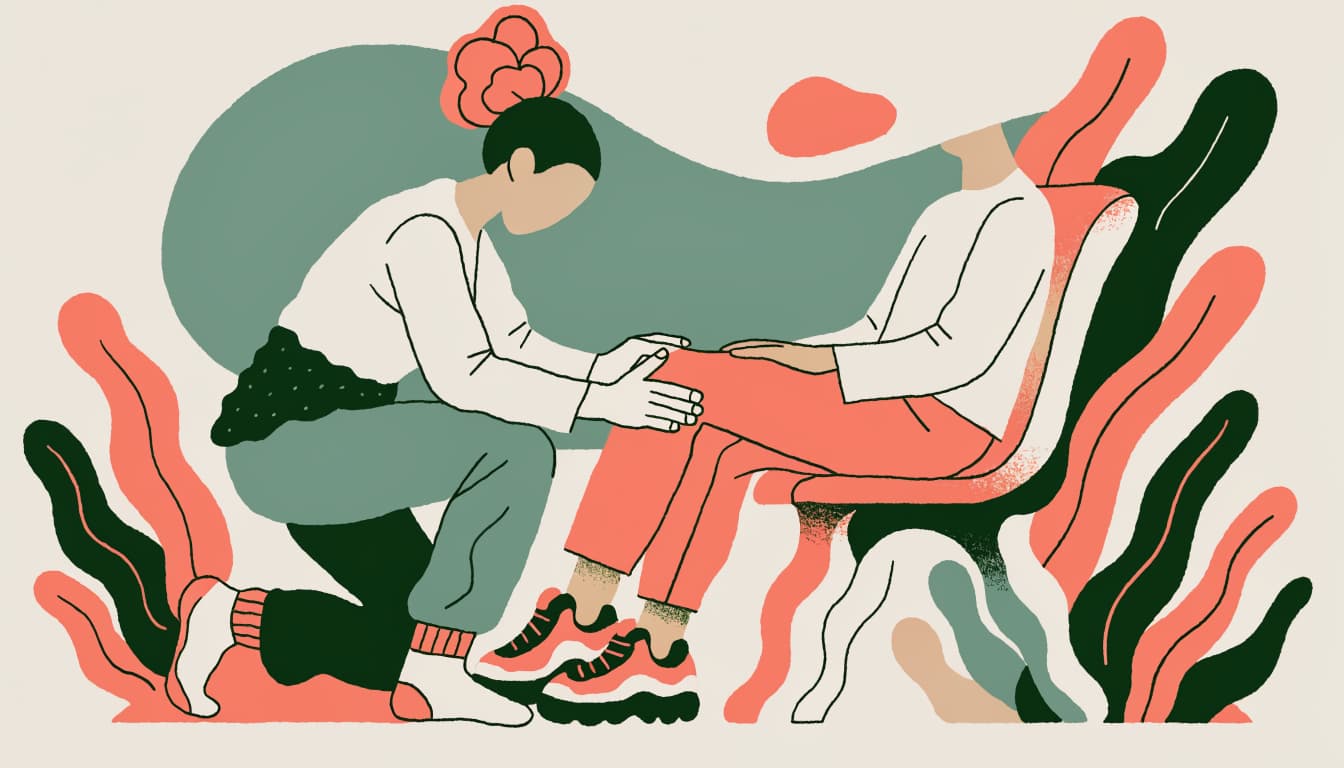
The knee is one of the most important joints in our body, playing a crucial role in everyday movement. It is the central component of the lower limb locomotor system and is responsible for flexion, extension, and stabilisation of the leg during walking, running, and climbing stairs. Due to its function, the knee is subjected to considerable loads, particularly in physically active individuals. Correct knee function enables free movement and the maintenance of balance; however, its complex structure — comprising bones, ligaments, menisci, and muscles — makes it susceptible to various types of injuries and dysfunctions.
Do not delay seeking medical attention if you experience:
In these cases, an urgent orthopaedic consultation or visit to the emergency department is recommended.
Knee pain is one of the most common complaints affecting people of all ages, from athletes to those leading a sedentary lifestyle.
Mild knee pain is often ignored; however, certain symptoms should prompt an immediate consultation with a physiotherapist. Symptoms that indicate the need for specialist care include:
Knee pain can result from various conditions. Among the most common causes of knee pain are:
These result from prolonged, incorrect loading of the joint — for example, through excessive running, inadequate preparation for physical activity, or incorrect movement technique. They can lead to the development of conditions such as tendinitis or chondromalacia patellae.
This is a condition commonly encountered in runners and physically active individuals. It manifests as pain on the lateral aspect of the knee, associated with excessive tension and friction of the iliotibial band against the bone.
The menisci are responsible for shock absorption and stabilisation of the knee, and their injuries — often resulting from sudden twisting of the joint — are common, particularly in contact sports. A damaged meniscus can cause pain, a feeling of locking in the joint, and difficulty fully flexing the knee.
This is associated with degradation of the articular cartilage. It typically occurs in older individuals but can also affect younger patients, particularly following injuries or overuse. It manifests as pain, stiffness, and restricted joint mobility.
An effective method of managing these types of problems is physiotherapy for knee pain, which focuses on eliminating pain and improving joint function.
Physiotherapy for knee pain focuses on restoring full joint function, improving muscle strength, reducing pain, and preventing future injuries. Physiotherapists use a variety of methods, such as:
Therapy may also include patient education regarding the correct performance of exercises, avoidance of overuse, and proper posture, in order to minimise the risk of recurrence.
In the case of more serious conditions, such as ligament or meniscus damage, surgical intervention may be necessary — for example, anterior cruciate ligament (ACL) reconstruction or arthroscopy. Physiotherapy before and after surgery is of key importance for improving treatment outcomes. Before the procedure, physiotherapy prepares the joint and muscles for surgery, which shortens the time required to return to full function. After the procedure, the physiotherapist supports the rehabilitation process, helping to regain strength, flexibility, and full joint function.
Knee pain is a common problem that can result from overuse, injuries, or degenerative conditions. Early diagnosis and appropriately selected physiotherapy for knee pain can significantly accelerate the treatment process and prevent more serious complications. Do not ignore the first symptoms, such as pain, swelling, or restricted mobility — appropriately early implementation of manual therapy will help avoid long-term problems with the knee joints.
This article was reviewed by Marta Foryś — physiotherapist.
Symptoms
Body regions