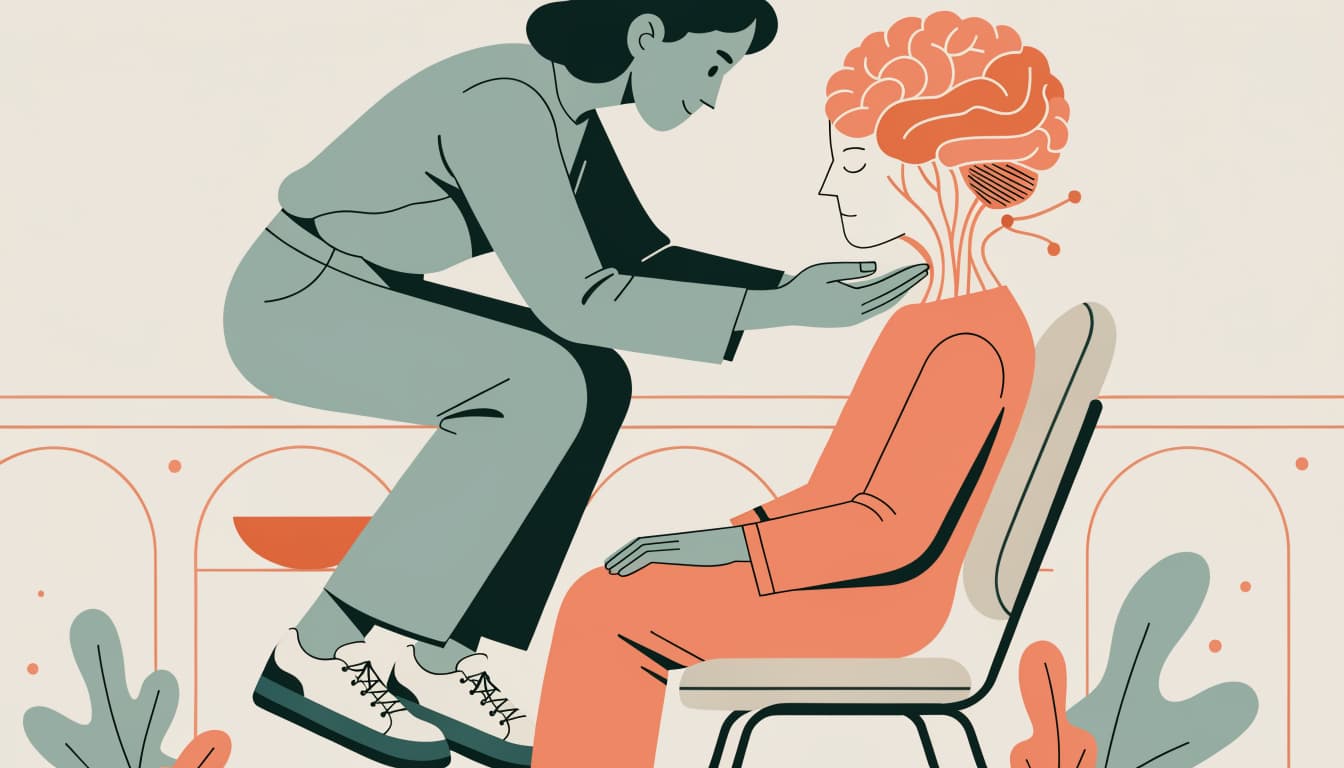
The brain is the most important organ in the human body, responsible for all vital functions, cognitive abilities, movement, and emotions. It consists of billions of neurons that communicate with one another, forming complex networks that enable us to think, feel, and move. Unfortunately, a stroke — a sudden interruption of blood supply to part of the brain — can lead to extensive changes in its structure and functioning. As a result of a stroke and its extent, neurons become damaged and their interactions are disrupted, leading to loss of motor abilities, speech, as well as problems with memory and emotions.
The symptoms of a stroke can be remembered using the FAST method:
STROKE IS A LIFE-THREATENING EMERGENCY — every minute counts!
Stroke is one of the most serious and most commonly occurring neurological conditions. It can have various causes, such as embolism (blockage of a blood vessel) or cerebral haemorrhage. The consequences of a stroke can be varied and depend on the area of the brain that has been damaged.
Many people after a stroke struggle with a variety of dysfunctions that can significantly reduce their quality of life. These may include problems with speech, mobility, coordination, and even cognitive function. This is why physiotherapy after stroke plays one of the key roles in the rehabilitation process and the return to functional independence.
After a stroke, patients frequently experience partial or complete paralysis, balance disorders, as well as problems with speech and concentration. In such cases, the importance of physiotherapy in post-stroke treatment cannot be overstated. Regular rehabilitation not only supports the restoration of lost functions but also helps prevent further complications, such as muscle contractures, pressure sores, and circulatory problems.
Neurological physiotherapy enables:
The consequences of a stroke depend on which part of the brain has been damaged, leading to different dysfunctions. Every post-stroke patient requires an individually tailored rehabilitation plan that takes into account the specific areas of the brain that have been damaged. Here are the most common post-stroke cases:
Damage to one hemisphere of the brain often leads to weakness or paralysis of the limbs on one side of the body. In such cases, physiotherapy focuses on rebuilding muscle strength, improving balance, and motor coordination.
If the area responsible for speech is damaged, the patient may have difficulty understanding or expressing language. Speech and language therapy is essential in this case, supporting the process of recovering communicative abilities.
Damage to the cerebellum can lead to problems with coordination and balance. Rehabilitation in such cases focuses on exercises that improve the precision of movements and stability.
Damage to areas of the brain responsible for cognitive functions can lead to difficulties with remembering, thinking, and planning. Neurological rehabilitation also includes exercises that support the development of cognitive functions.
A stroke can affect the patient's mood and emotions, triggering depression, anxiety, or apathy. In such cases, psychological support is essential, as well as physical exercises that help reduce stress and improve wellbeing.
Rehabilitation after a stroke should begin as soon as possible, ideally within the first few days after the patient's health has been stabilised. Early intervention is crucial because the brain possesses the capacity for neuroplasticity — the ability to adapt to new conditions and create new neural connections. The sooner the patient begins therapy, the greater the chances of returning to full functional independence.
Every post-stroke case is different, which is why it is so important for physiotherapy to be tailored to the individual needs of the patient. Recovery after stroke depends on the precise selection of exercises and stimulation of the appropriate areas of the brain and body. Physiotherapists specialising in neurological rehabilitation use a variety of methods, such as:
An important element of therapy is also kinesitherapy — treatment through movement — which enables the patient to return to independence.
Caring for a person after a stroke requires not only emotional support but also involvement in the rehabilitation process. Family members and caregivers should:
Physiotherapy after stroke is one of the key elements of the process of recovery and improvement of patients' quality of life. Early physiotherapeutic intervention, appropriately selected exercises, and regular stimulation of the damaged areas are the fundamental factors that support the rehabilitation process. The importance of physiotherapy in post-stroke treatment lies in supporting the patient in rebuilding lost functions and preventing complications. In addition to physiotherapeutic support, a post-stroke patient should receive neurological speech therapy, neurological, osteopathic, and sometimes also psychological care. Given the fact that the immediate circle — family and caregivers — play a very important role in the life of a post-stroke patient, helping in the process of recovery and return to independence, they too should seek psychological support in order to understand how reality is perceived by a person affected by a stroke.
This article was reviewed by Marta Foryś — physiotherapist working with stroke patients.
Symptoms
Body regions